The goals of treatment are to reduce (or eliminate) signs of rosacea, ease your discomfort, and prevent rosacea from worsening.
- 1852 Carling Avenue, Ottawa, ON K2A 1E3
- 9 E 68th Street, 1C, New York, NY 10065

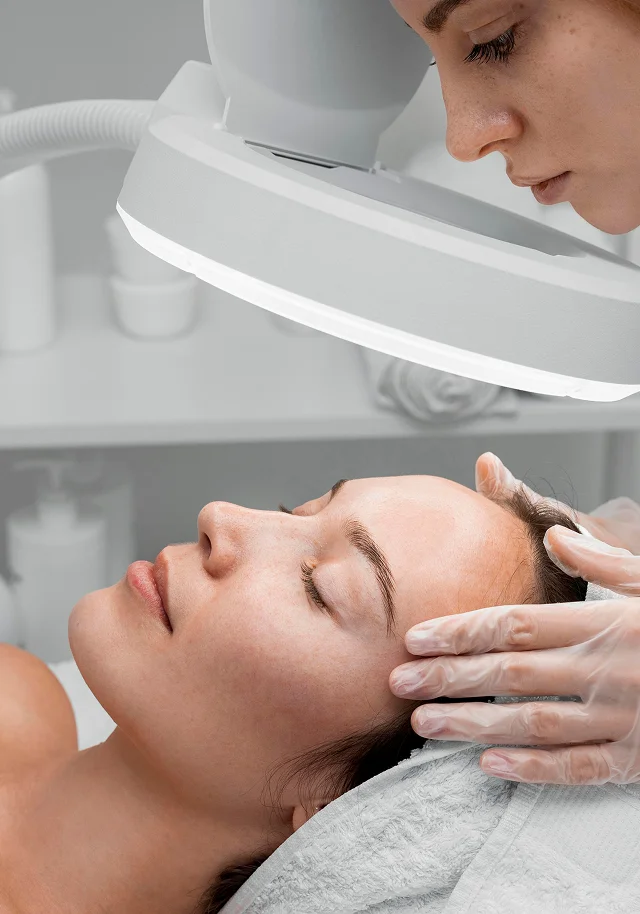
The goals of treatment are to reduce (or eliminate) signs of rosacea, ease your discomfort, and prevent rosacea from worsening.
Jaw pain, headaches, facial tension, and disrupted sleep can significantly affect daily life. TMJ disorders and sleep-related breathing concerns are often overlooked, yet they may contribute to ongoing discomfort and reduced quality of rest.
At Carling Harmony Dental, TMJ and sleep apnea assessments focus on identifying the underlying causes of these concerns so appropriate care options can be explored.
The temporomandibular joint (TMJ) connects the jaw to the skull and plays an essential role in speaking, chewing, and daily jaw movement. When this joint is under strain, it can lead to symptoms such as jaw pain, clicking, stiffness, headaches, or limited movement.
TMJ assessments evaluate jaw function, bite alignment, and signs of clenching or grinding. In some cases, early identification through routine preventive care helps limit progression and reduce long-term joint strain.
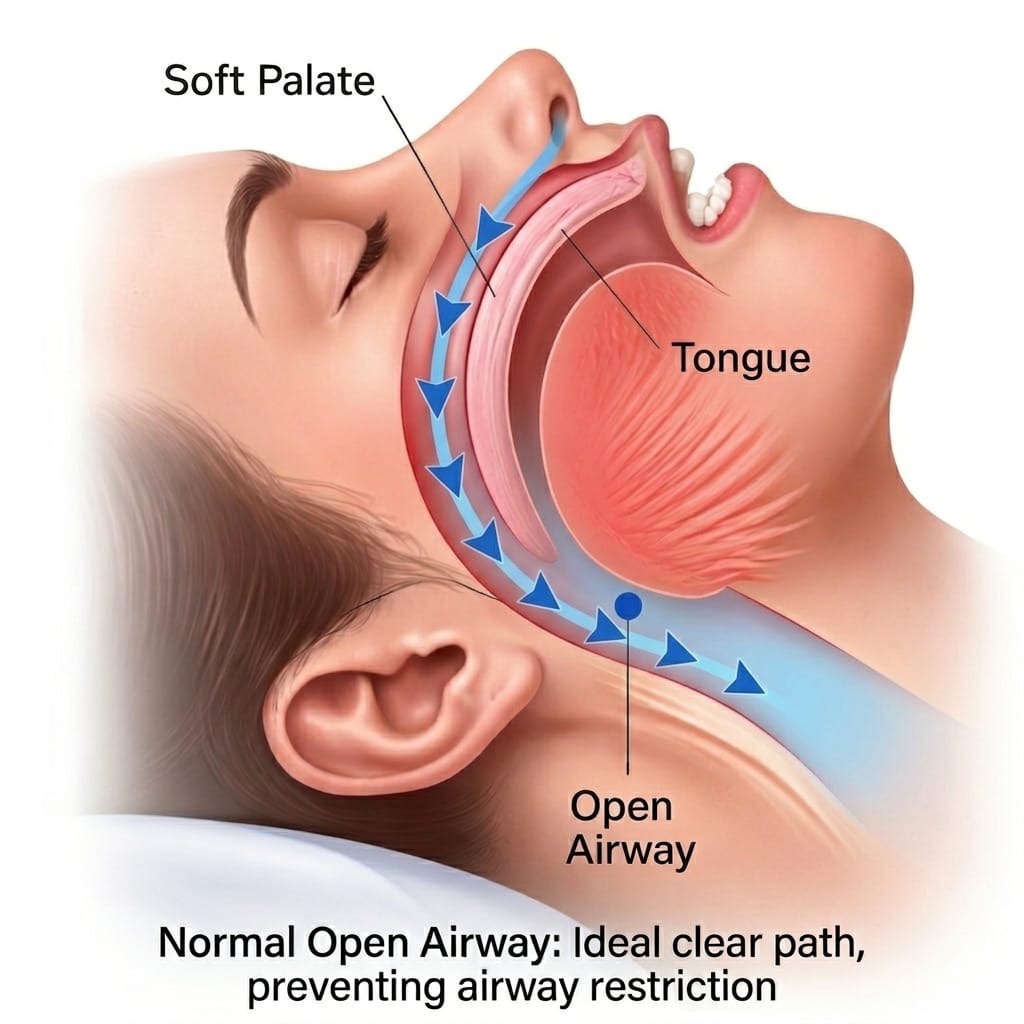
Sleep apnea assessments focus on identifying breathing disruptions that occur during sleep. These disruptions may contribute to poor sleep quality, daytime fatigue, and other health concerns.
Dentally guided assessments can help determine whether oral appliance therapy may be appropriate. Early evaluation may reduce the need for more complex dental intervention later and can complement care provided through general dentistry when oral structures are involved.
TMJ and sleep-related concerns often connect with other areas of oral health. Signs such as tooth wear, sensitivity, or changes in bite alignment may point to underlying jaw or sleep-related issues that shouldn’t be overlooked.
Addressing these concerns early can help protect your natural teeth and may reduce the need for more complex treatments, such as crowns or tooth replacement options, while supporting long-term stability through comprehensive general dentistry.
Proper assessment allows concerns to be addressed before they impact overall oral stability. TMJ and sleep apnea evaluations support comfort, function, and long-term dental health when integrated into a broader care plan.
For patients considering aesthetic improvements, maintaining stable jaw function and healthy oral structures also supports outcomes associated with cosmetic dentistry.